Sucrose Sugar A Complete Guide by NKKN
Introduction
Sucrose sugar is one of the most commonly used sweeteners in the world. Found naturally in plants and widely extracted for commercial use, it plays a central role in our daily diets. Whether it’s the sweetness in your morning tea, the texture in baked goods, or the preservation of jams, sucrose sugar is everywhere.
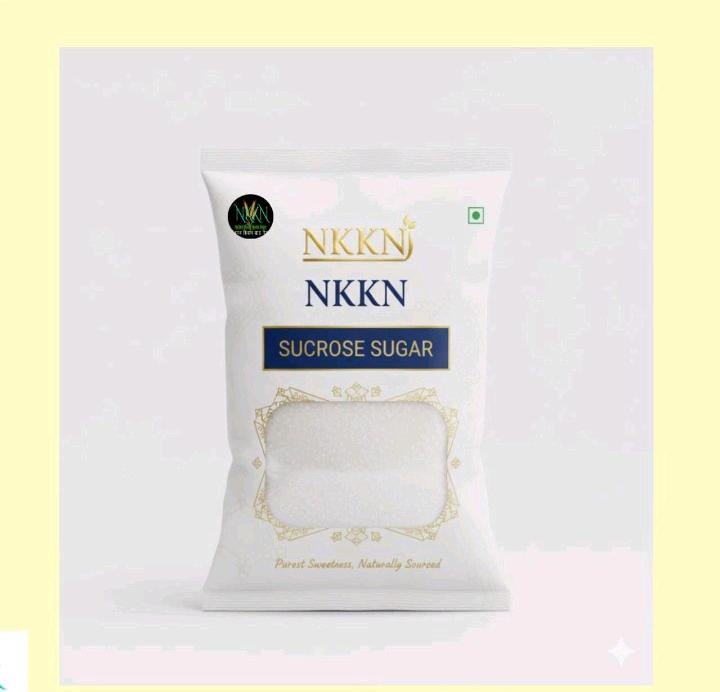
At NKKN, we believe in delivering high-quality sugar products that meet modern culinary and industrial needs. This comprehensive guide explores everything you need to know about sucrose sugar—its structure, sources, production, uses, benefits, and potential health considerations.
What is Sucrose Sugar?
Sucrose is a type of carbohydrate known as a disaccharide. It is composed of two simpler sugars: glucose and fructose. These two molecules are chemically bonded together, forming a compound that is both stable and sweet.
Sucrose occurs naturally in many plants, especially in sugarcane and sugar beet. It is extracted, refined, and crystallized to produce the sugar we commonly use in households and industries.
Chemical Structure of Sucrose
Sucrose has the molecular formula C₁₂H₂₂O₁₁. It consists of one glucose molecule and one fructose molecule linked via a glycosidic bond.
This unique structure gives sucrose its distinct properties:
- Sweet taste
- High solubility in water
- Stability under normal storage conditions
When consumed, sucrose is broken down into glucose and fructose by enzymes in the digestive system.
Natural Sources of Sucrose
Sucrose is naturally found in a variety of plants, including:
- Sugarcane
- Sugar beet
- Fruits like mangoes, pineapples, and bananas
- Vegetables such as carrots and sweet potatoes
Among these, sugarcane and sugar beet are the primary commercial sources of sucrose sugar used by brands like NKKN.
Production Process of Sucrose Sugar
The production of sucrose sugar involves several steps to ensure purity and quality.
1. Harvesting
Sugarcane or sugar beet is harvested from farms and transported to processing units.
2. Extraction
The juice is extracted by crushing the plant material.
3. Clarification
Impurities are removed using heat and chemicals like lime.
4. Evaporation
The juice is heated to remove water, resulting in a thick syrup.
5. Crystallization
The syrup is further processed to form sugar crystals.
6. Refining
The crystals are cleaned and refined to produce white sugar.
NKKN ensures strict quality control at every stage to deliver premium sucrose sugar.
Types of Sucrose Sugar
Sucrose sugar is available in different forms based on processing and granule size:
1. Granulated Sugar
The most common form used in households.
2. Powdered Sugar
Finely ground sugar used in baking and icing.
3. Brown Sugar
Contains molasses, giving it a rich flavor and color.
4. Raw Sugar
Less refined and contains natural impurities.
NKKN offers a variety of sucrose sugar types tailored for different uses.
Uses of Sucrose Sugar
Sucrose sugar is incredibly versatile and widely used across industries.

1. Food and Beverages
- Sweetening tea, coffee, and juices
- Baking cakes, cookies, and pastries
- Making candies and chocolates
2. Food Preservation
Sucrose helps preserve jams, jellies, and pickles by reducing water activity.
3. Pharmaceutical Industry
Used in syrups and medicines to improve taste.
4. Cosmetics
Acts as an exfoliating agent in scrubs and skincare products.
5. Fermentation
Used in brewing and alcohol production.
NKKN sucrose sugar is trusted across these applications for its purity and consistency.
Nutritional Value of Sucrose Sugar
Sucrose provides energy in the form of calories. Each gram of sucrose contains approximately 4 calories.
Nutritional Highlights:
- No fat
- No protein
- No fiber
- Pure carbohydrate
While it is an excellent energy source, it should be consumed in moderation.
Benefits of Sucrose Sugar
1. Instant Energy
Sucrose is quickly broken down into glucose and fructose, providing immediate energy.
2. Enhances Flavor
It improves the taste of food and beverages.
3. Improves Texture
Essential in baking for structure and moisture retention.
4. Preservative Properties
Helps extend shelf life of food products.
5. Versatility
Can be used in countless culinary and industrial applications.
NKKN ensures that its sucrose sugar delivers these benefits with premium quality.
Health Considerations
While sucrose sugar has many benefits, excessive consumption can lead to health issues.
1. Weight Gain
High calorie intake can contribute to obesity.
2. Tooth Decay
Sugar promotes the growth of bacteria that cause cavities.
3. Blood Sugar Levels
Excess intake may affect blood glucose levels.
4. Risk of Chronic Diseases
Overconsumption is linked to conditions like diabetes and heart disease.
Recommended Intake
Health experts suggest limiting added sugar intake to maintain a balanced diet.
Sucrose vs Other Sugars
Sucrose vs Glucose
- Sucrose is a combination of glucose and fructose
- Glucose is a simple sugar
Sucrose vs Fructose
- Fructose is sweeter than sucrose
- Found naturally in fruits
Sucrose vs High-Fructose Corn Syrup
- HFCS is processed differently
- Often used in soft drinks
NKKN focuses on delivering pure sucrose sugar without unnecessary additives.
Role of Sucrose in Baking
Sucrose plays a critical role in baking:
- Adds sweetness
- Helps in browning (caramelization)
- Improves texture
- Retains moisture
Without sucrose, many baked goods would lack structure and flavor.
Industrial Applications
Sucrose sugar is widely used in industries:
1. Food Processing
Used in sauces, syrups, and processed foods.
2. Confectionery
Essential for candies and chocolates.
3. Beverage Industry
Used in soft drinks and energy drinks.
4. Pharmaceuticals
Improves taste of medicines.
NKKN supplies high-grade sucrose sugar for industrial needs.
Storage and Shelf Life
Proper storage is essential to maintain the quality of sucrose sugar.
Storage Tips:
- Keep in a dry place
- Store in airtight containers
- Avoid moisture exposure
Shelf Life:
Sucrose sugar has a long shelf life if stored properly.
Sustainability and Sucrose Production
Modern sugar production is focusing on sustainability:
- Efficient water usage
- Reduced carbon emissions
- Waste recycling
NKKN is committed to environmentally responsible practices in sugar production.
Why Choose NKKN Sucrose Sugar?
1. High Purity
Refined to meet strict quality standards.
2. Consistent Quality
Uniform crystals and taste.
3. Versatility
Suitable for household and industrial use.
4. Trusted Brand
NKKN stands for reliability and excellence.
Tips for Using Sucrose Sugar
- Measure accurately for baking
- Dissolve properly in liquids
- Store in dry conditions
- Use in moderation for health
Common Myths About Sucrose Sugar
Myth 1: Sugar is Completely Bad
Truth: It is safe in moderation.
Myth 2: Brown Sugar is Healthier
Truth: Nutritional difference is minimal.
Myth 3: Sugar Causes Diabetes Directly
Truth: Excess consumption contributes, but not the sole cause.
Future of Sucrose Sugar
The sugar industry is evolving with:
- Organic sugar production
- Health-conscious alternatives
- Sustainable farming practices
NKKN is continuously innovating to meet future demands.
Conclusion
Sucrose sugar is an essential part of our daily lives. From sweetening beverages to enhancing baked goods, its importance cannot be overstated. While it provides energy and improves taste, it is important to consume it responsibly.
NKKN is dedicated to providing high-quality sucrose sugar that meets both consumer and industrial needs. With a focus on purity, consistency, and sustainability, NKKN continues to be a trusted name in the sugar industry.
Whether you are a home cook, baker, or manufacturer, sucrose sugar from NKKN ensures the perfect balance of quality and performance.
FAQs
1. What is sucrose sugar made of?
Sucrose is made of glucose and fructose.
2. Is sucrose natural?
Yes, it occurs naturally in plants.
3. Can sucrose be used in baking?
Absolutely, it is essential for baking.
4. Is sucrose healthy?
It is safe when consumed in moderation.
5. Why choose NKKN sugar?
NKKN offers high-quality, pure, and reliable sucrose sugar.
NKKN – Sweetness You Can Trust

Post Comment